


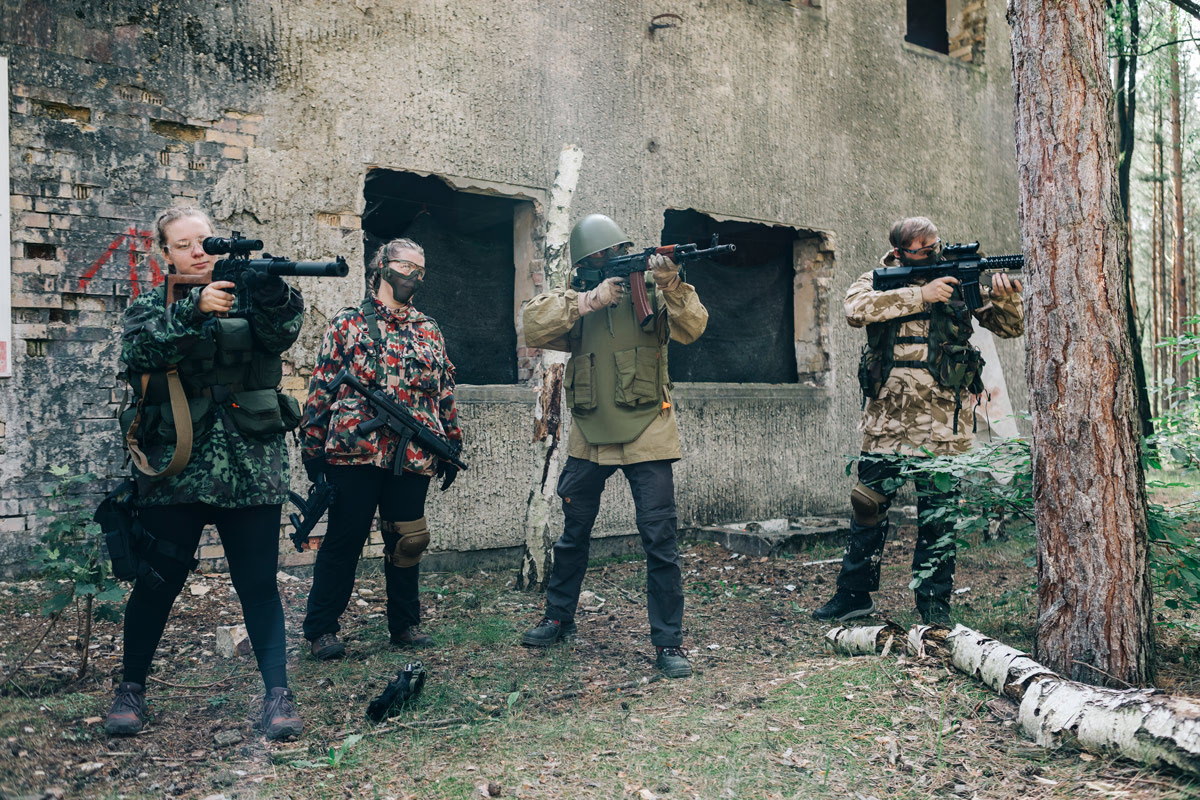
Auf die Verschiebungen in der Geopolitik und die Krise des deutschen Exportmodells reagiert die Regierung Merz mit Aufrüstung. Investitionen in die sozial-ökologische Transformation bleiben blockiert. Wie wirkt sich die Militarisierung auf Politik und Gesellschaft aus? Wie wird sie ideologisch flankiert und wie verändert dies das politische Klima? Und: Wie können anti-militaristische Perspektiven an Kraft gewinnen?









Debatte
Regieren oder doch lieber opponieren?
Regieren oder doch lieber opponieren? Immer wieder stellt sich diese Frage innerhalb der Linken. Jenseits des schlichten Ja/Nein-Dualismus − ganz allgemein lässt sie sich nicht beantworten. Denn es geht immer um die konkreten Kräfteverhältnisse. Die Debatte der vergangenen Jahren drehte sich meist um (Mindest-)Bedingungen und Wendepunkte eines rebellischen Regierens.
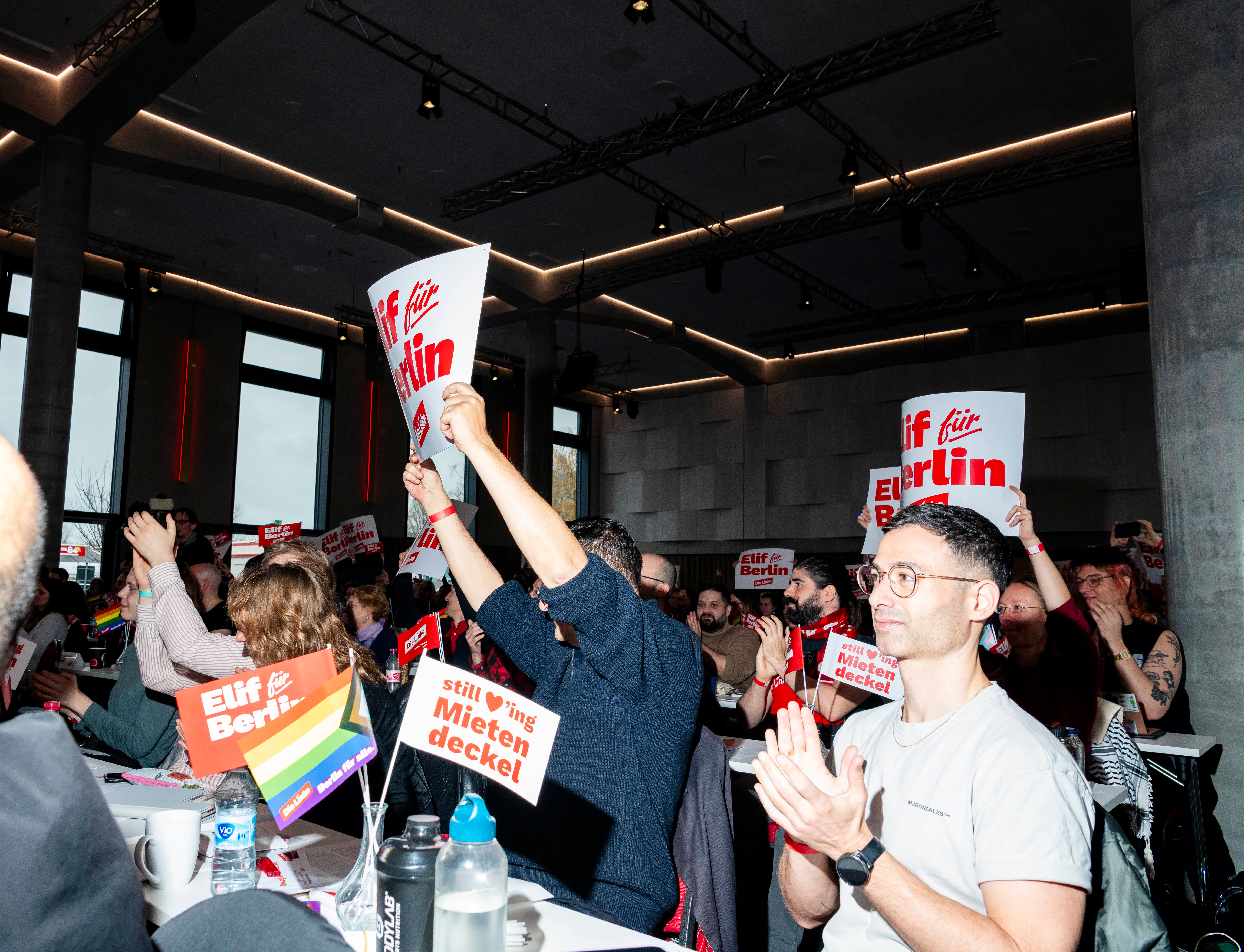

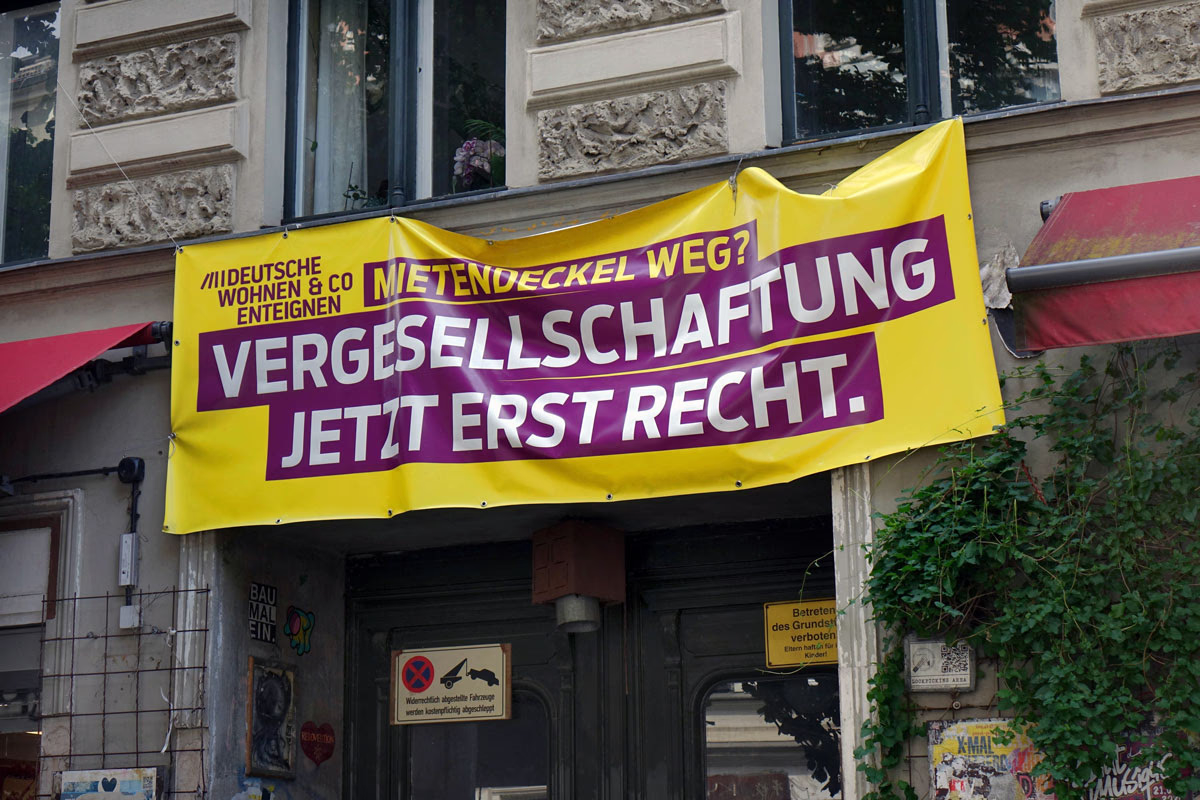

Vergesellschaftung zwischen Gegenmacht und Regierungspolitik
Mit den kommenden Wahlen in Berlin kann die Linke neue Bewegung in die Wohnungsfrage bringen. Vergesellschaftung könnte bei einem Wahlsieg nicht nur umgesetzt, sondern zum Präzedenzfall für eine Demokratisierung der Daseinsvorsorge werden. Dazu müssen Partei und Bewegungen an einem Strang ziehen.


Rebellisch Regieren 2026?
Kalle Kunkel und Philipp Möller haben in dieser Zeitschrift eine wichtige Debatte eröffnet. Die Frage, die sich beide stellen, ist, wie man bei einer Regierungsbeteiligung Der Linken in Berlin sicherstellen kann, dass diese die Erwartungen an einen Politikwechsel nach links tatsächlich erfüllen kann.






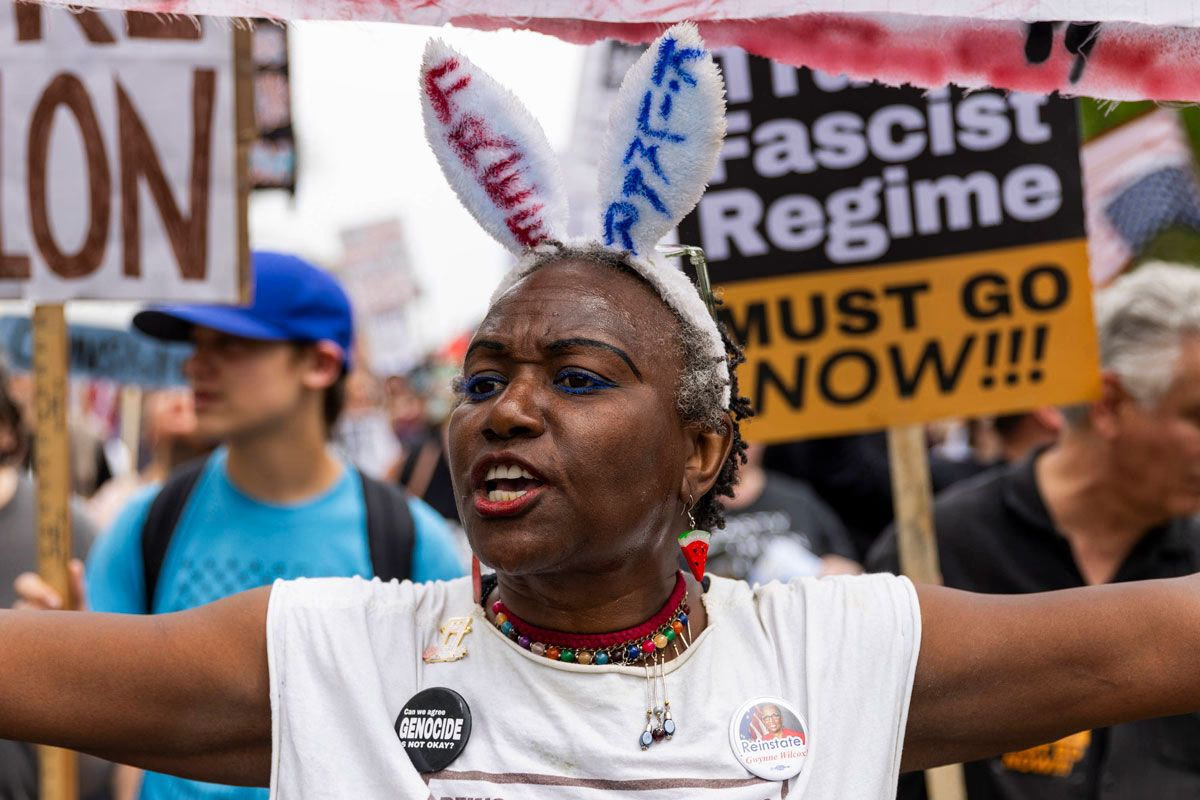









Die gegenwärtigen gesellschaftlichen Entwicklungen geben kaum Anlass zu Optimismus. Doch wachsen gegen die Faschisierung auch Widerstände, der Handlungsdruck erzwingt das Nachdenken über neue Allianzen, in der Praxis der Proteste entstehen neue Bündniskonstellationen.


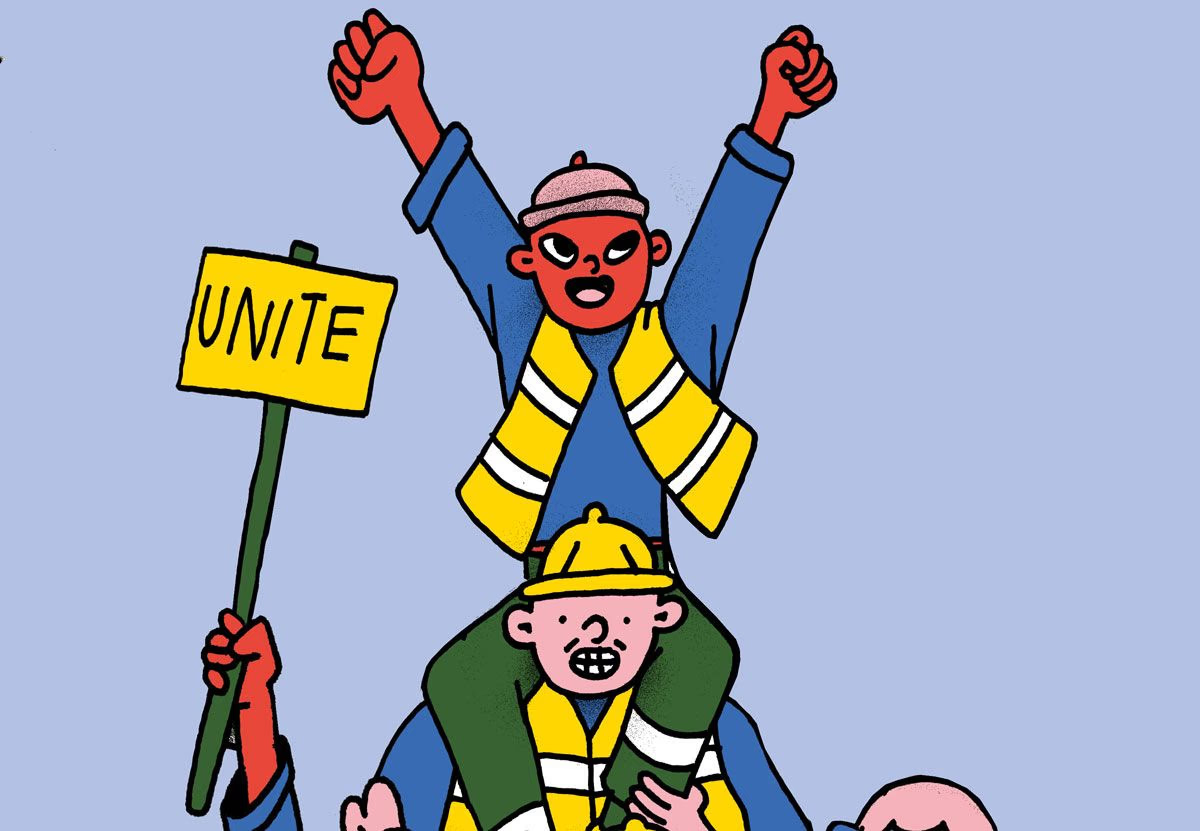

Das ambivalente Vermächtnis der Volksfront
Mitte der 1930er-Jahre schlossen sich in Frankreich Linke zu einer politischen Allianz gegen rechts zusammen und verfolgten als Volksfrontregierung Ansätze einer antifaschistischen Demokratie. Diese weiterzuentwickeln bleibt auch heute
eine zentrale Aufgabe der Linken

Das politische Feld nach links verschieben. Bedingungen und Schwierigkeiten einer antifaschistischen Volksfront
Um der Faschisierung etwas entgegenzusetzen, braucht es eine möglichst starke Linke – und darüber hinaus eine breite Allianz für einen sozialen Antifaschismus. Die Bedingungen sind unzureichend, ihr Zustandekommen vielleicht unwahrscheinlich. Gefährlich wäre es, den Versuch nicht zu wagen
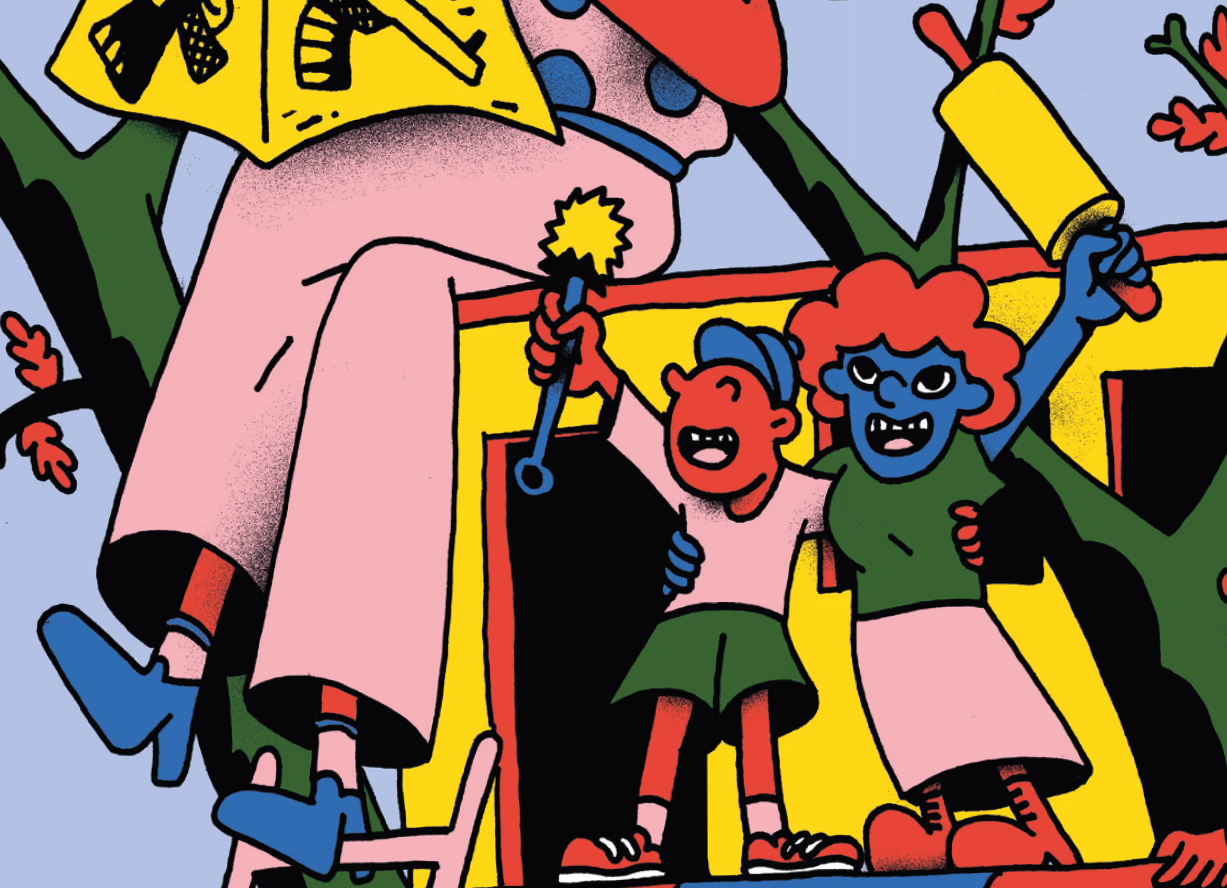

Für einen Aufstand der Töchter
Angesichts der Bedrohungen von rechts braucht es einen eigenständigen feministisch-intersektionalen Kulturkampf. Antifaschistische Allianzen müssen darin Brücken bauen und polarisieren gleichzeitig. Nur so lässt sich Gegenmacht gegen die Kontinuitäten von Gewalt, Ausbeutung und Unterdrückung organisieren


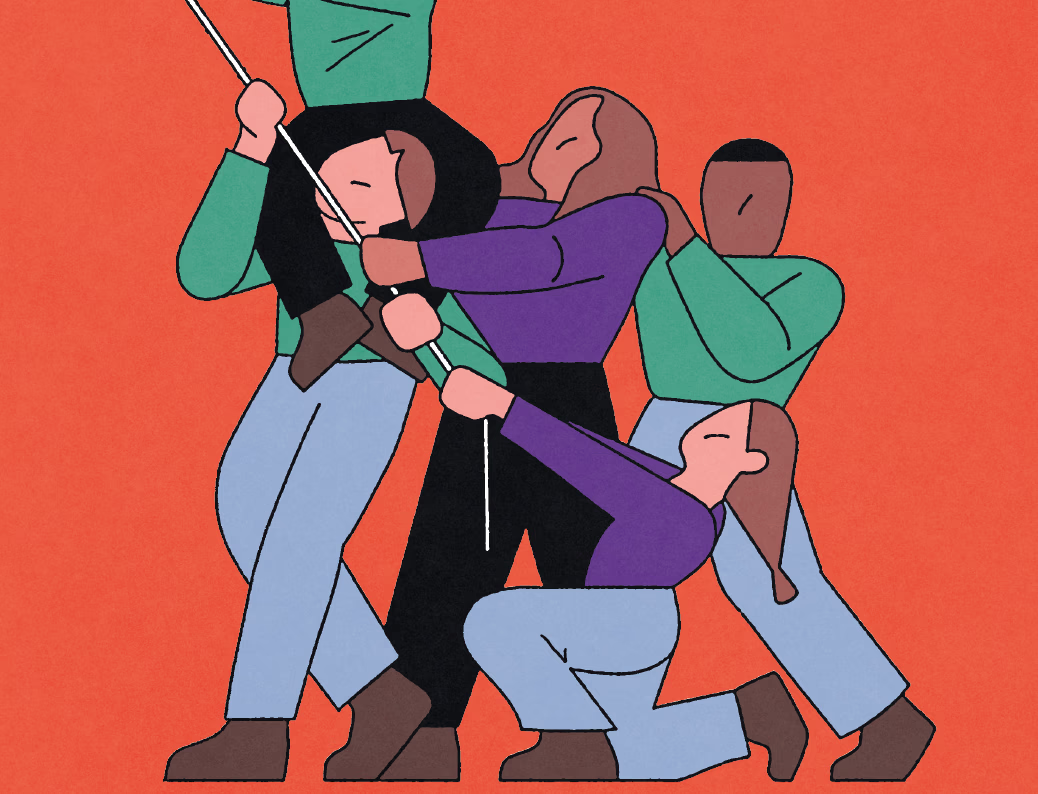



Das Gespenst der Deindustrialisierung
Ob Automobil- oder Stahlbranche, um den Industriestandort Deutschland scheint es schlecht bestellt. Wie tief reicht die Krise und wie verändert sich der Produktionsapparat gegenwärtig? Und kommt es nach dem gescheiterten Green Deal zum Militärkeynesianismus?